Tokyo Car Culture Guide
The best things to do in Tokyo for car enthusiasts — Daikoku PA, A-PIT Autobacs, NISMO and the Nissan galleries, JDM tours and rentals, Hakone and Tokyo Auto Salon.
Tokyo is one of the world’s great destinations for car enthusiasts, but experiencing its car culture is not as simple as typing “Tokyo JDM car meet” into Google Maps.
Some of the places enthusiasts dream about — particularly Daikoku PA and Tatsumi PA — sit inside expressway systems and cannot simply be reached by train and walked into. Other worthwhile stops, including A-PIT Autobacs Shinonome and Nissan Crossing, are easy to visit independently.
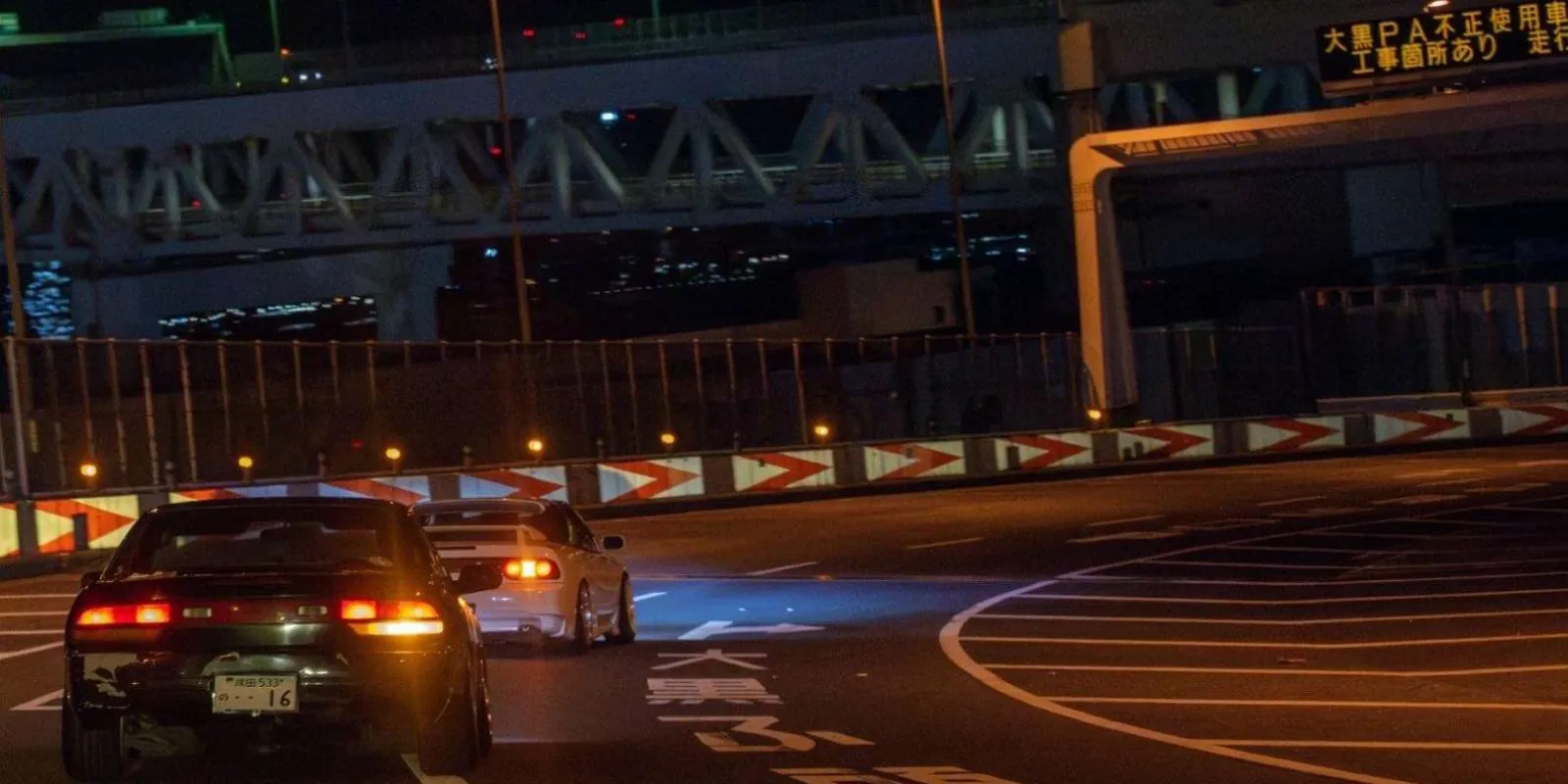
And then there is the part that does not exist at a fixed address at all: driving Tokyo’s elevated expressways at night, seeing an R34 or RX-7 appear beside you, visiting an informal meet, or taking a JDM car toward Yokohama and Daikoku.
The best Tokyo car-culture trip therefore combines several different experiences rather than chasing one mythical “underground meet.”
Check Availability
Tokyo car culture at a glance
| Place / experience | Best for | Time needed | Need a car? | Priority |
|---|---|---|---|---|
| Daikoku PA | Iconic JDM car-meet experience | Evening | Yes | ★★★★★ |
| Tokyo JDM night tour | Cars + expressways + Daikoku | 3–4 hours | No licence needed | ★★★★★ |
| JDM car rental | Actually driving a Skyline, GT-R, Supra or RX-7 | 7–24 hours | Yes | ★★★★★ |
| A-PIT Autobacs Shinonome | Tuning culture, parts and casual spotting | 1–2 hours | No | ★★★★★ |
| Hakone drive | Japanese enthusiast driving culture | Half/full day | Yes | ★★★★ |
| NISMO Showroom | GT-R and Nissan motorsport | 1–2 hours | No | ★★★★½ |
| Nissan Heritage Collection | Historic Nissans, by reservation | ~90 min + travel | No | ★★★★★ for fans |
| Nissan Global HQ Gallery | Easy free Yokohama stop | 1–2 hours | No | ★★★★ |
| Tatsumi PA | Smaller expressway/Wangan atmosphere | 15–30 min | Yes | ★★★ |
| Nissan Crossing, Ginza | Easy Nissan stop in central Tokyo | 30–60 min | No | ★★★★ |
| Up Garage | Used tuning parts | 1–2 hours | No | ★★★ |
| Tokyo Auto Salon | Custom-car culture at its biggest | Full day | No | ★★★★★ if dates match |
The three parts of a Tokyo car-culture trip
Before working through the individual places, it helps to see the shape of the thing. Tokyo’s car culture splits into three categories that behave completely differently, and most disappointing trips come from treating them as one.
Places you can walk into. A-PIT Autobacs Shinonome, Nissan Crossing, manufacturer galleries, and — if your dates happen to line up — Tokyo Auto Salon. These are reliable. You turn up, they are open, and what you came for is there.
Places that require a vehicle in the right lane. Daikoku PA, Tatsumi PA, Umihotaru. These sit inside the Shuto Expressway network, and no amount of train travel gets you inside one. You need to be travelling through on the correct route, which in practice means a rental car or a tour.
The roads themselves. The Wangan/Bayshore Route, the Shuto C1 loop, the tunnels, Rainbow Bridge. This is the part with no address, and for a lot of visitors it turns out to be the part they remember. It is also the part that cannot fail: the expressway is there whether or not thirty modified cars showed up at Daikoku that night.
A good trip takes something from each column. The rest of this guide works through what is in them.
1. Daikoku PA — the essential JDM experience
If you only know one Japanese car-culture destination, it is probably Daikoku PA.
Technically in Yokohama, it has become the centrepiece of Tokyo JDM tourism. On the right evening you may encounter R32/R33/R34 Skyline GT-Rs, R35s, RX-7s, Supras, Silvias, Evos, WRXs, NSXs, kei cars, VIP sedans, itasha, classics and supercars.
But Daikoku is not a scheduled car show. There is no guaranteed lineup, attendance, start time or particular car. Our guide to what Daikoku Parking Area actually is covers the history and why it works the way it does, and how to visit the Daikoku PA car meet handles timing and etiquette once you arrive.
The other complication is access: you cannot simply take a train and walk in. You need a vehicle travelling through the correct expressway route — which is the entire subject of how to get to Daikoku PA without a car if you are not renting one.
For most visitors, the practical answer is a shared night tour. Our pick is the Tokyo JDM Tour: Daikoku PA, Skyline GT-R & RX-7 — 4.7/5 from 1,310 reviews, from $102 — because it covers all three of the categories above in one evening: its route runs the Shuto C1 and the Bayshore Route to Daikoku PA and stops at A-PIT Autobacs Shinonome, in a modified car.
2. A-PIT Autobacs Shinonome — best easy DIY JDM stop
A-PIT is one of the easiest recommendations for someone who wants a car-culture destination without gambling on an informal meet.
It combines automotive retail and servicing with a broader enthusiast and lifestyle concept. Browse:
- aftermarket parts;
- wheels and tyres;
- detailing products;
- accessories;
- customisation products;
- automotive merchandise.
The customer parking area can also be interesting, but do not confuse it with a guaranteed nightly meet.
If it is used parts you want rather than new ones, add an Up Garage branch. Up Garage specialises in second-hand automotive parts, and for a tuning enthusiast a wall of used Japanese wheels, exhausts, suspension arms and odd interior accessories is genuinely absorbing — often more so than the equivalent new-parts aisle. For a casual JDM fan it is optional; for anyone who has ever built a car, it is the most interesting hour in this guide that nobody writes about.
Best use: A-PIT → Tokyo expressway/JDM tour → Daikoku. That sequence is common enough that several operators build it into the route rather than leaving you to arrange it. The Legendary JDM Car Daikoku Underground Meetup Tour — 4.9/5 from 531 reviews, from $96 — puts A-PIT shopping time and a Tokyo Tower photo stop either side of Daikoku, and it is the highest-rated tour on this site among those with a substantial review base. The JDM Scene Tour with Daikoku PA & Tokyo Tower — 4.9/5 from 302 reviews, from $121 — does the same with the Wangan highway written into the itinerary by name.
3. Tatsumi PA — for the Wangan atmosphere
Tatsumi is smaller, less predictable and less useful for a first-time visitor than Daikoku.
Its appeal is different: it feels more like a pause during an expressway drive than a destination.
Visit Tatsumi if your JDM tour includes it, you have your own rental car, you are doing a wider Tokyo night drive, or Wangan culture specifically interests you.
Do not choose it instead of Daikoku on your first JDM evening.
One honest booking note, and it is the same one we give on our Tokyo car meets guide: only one bookable product guarantees Tatsumi. The JDM Car Meet, Autobacs & Daikoku Parking private tour runs the Wangan route via A-PIT, Tatsumi and Daikoku — but it has a single review so far and costs $330, the thinnest review base of anything we list. Book it because Tatsumi specifically matters to you, not because it is the best Daikoku night available.
The better-reviewed way to get there is to accept a maybe. The Daikoku JDM Car Meet & Night Car Culture Tour — 4.8/5 from 714 reviews, from $108 — picks two or three spots on the night from Daikoku, Tatsumi, Umihotaru, A-PIT Autobacs and Gaienmae. Its booking notes say Friday and Saturday night tours skip Daikoku. If Tatsumi is a bonus rather than the point, that is the one we would book.
4. Nissan Crossing — easiest central-Tokyo car stop
If you are already sightseeing around Ginza, Nissan Crossing is effortless to add.
It is a contemporary Nissan brand showcase with rotating vehicles, technology displays, a boutique and café.
Do not expect a museum full of R32s and R34s.
Best use: 30–60 minutes as part of a normal Ginza day. There is no ticket and no tour to book — this is a walk-in, and it is one of the few genuinely reliable car stops in central Tokyo.
If it is Nissan performance specifically that draws you, there is a bookable version of that interest: the JDM Tour with GT-R, NISMO Factory & Daikoku PA — 4.7/5 from 30 reviews, from $475 — adds the NISMO facility, A-PIT and Tokyo Tower to a Daikoku night. It is the most expensive product on this site by a distance, and it is the only one that gets you inside a NISMO building.
5. Yokohama’s Nissan cluster — NISMO, the Heritage Collection and the HQ Gallery
Nissan Crossing is the easy central-Tokyo version. The serious version is a day in Yokohama and Zama, and for a Skyline or GT-R fan it is the strongest non-meet experience in the region.
NISMO Showroom is small but precisely targeted: NISMO road cars, GT-R-related machinery, racing cars and motorsport memorabilia, depending on what is on display. Check the opening days before you travel, because it is not open seven days a week.
Nissan Global Headquarters Gallery, close to Yokohama Station, is free, larger than Nissan Crossing and rotates current models, sports and concept cars, motorsport material and heritage vehicles. It is the easiest worthwhile manufacturer stop around Tokyo.
Nissan Heritage Collection in Zama is the deep one — decades of Skylines, Fairlady Zs, Silvias, Datsuns and racing cars — but it needs an advance reservation, and individual cars can be away from display.
The appeal of all three is the contrast with Daikoku: instead of hoping historic cars appear, you are looking at a manufacturer’s own collection on a timetable. Our guide to the best places to see JDM cars in Tokyo compares these galleries against the meets place by place, including access and what each one is actually good for.
6. Tokyo Auto Salon — the ultimate option when dates match
Tokyo Auto Salon is one of the world’s major custom-car events and is deeply tied to Japanese tuning culture.
Expect:
- tuning houses;
- custom builds;
- manufacturers;
- aftermarket brands;
- wheels and aero;
- race and drift cars;
- product launches.
If you are visiting during the event, make it a high priority.
Tokyo Auto Salon and Daikoku are completely different experiences — organised versus informal — so serious enthusiasts should do both when possible. Auto Salon is a January event with its own ticketing, sold separately from anything on this site; there is no tour product that includes it, so treat it as a fixed date to plan around rather than something to book alongside a night tour.
7. Take a real Tokyo JDM night drive
A static list of locations misses a major part of Tokyo car culture.
The roads themselves matter.
Tokyo’s elevated expressways, tunnels, Rainbow Bridge and Bayshore/Wangan routes create the environment associated with Wangan Midnight, Tokyo Drift, Gran Turismo and Japanese tuning culture.
A good JDM tour remains worthwhile even if Daikoku is quiet, because you still get the car, the city, the expressways and local context. That is the single best argument for paying for the ride rather than the destination.
The most-booked version of this night is the Fast & Furious Tokyo Drift III Experience — 4.8/5 from 5,667 reviews, from $107 — which runs the Wangan/C1, the tunnels, Rainbow Bridge, Daikoku, A-PIT and a Tokyo Tower or Shibuya Crossing photo stop. Our comparison of the best JDM tours in Tokyo ranks every option on this site by rating, price and route.
8. Drive a JDM car yourself
The next level is not just seeing the cars — it is driving one in Japan.
Tokyo specialist fleets can include Skyline R34, R32 GT-R, R35 GT-R, Supra, RX-7, Evo, WRX STI, Silvia, Civic Type R, S2000 and GR86.
Instead of:
meet guide → visit Daikoku → return
try:
Tokyo → Hakone → Yokohama → Daikoku → Tokyo
Do this if driving is part of your bucket list and you have the correct legal documents. Worth being clear about where this comes from, because it decides where you go looking: self-drive is a rental-company arrangement, not a tour product. Every bookable JDM experience in Tokyo is a passenger ride with the operator’s own driver, including listings whose names suggest otherwise.
Our JDM car rental in Tokyo guide covers the fleets, prices, deposits and licence rules, and the model-specific guides go deeper: Nissan GT-R and R34 Skyline experiences, Toyota Supra rental and driving experiences and Mazda RX-7 rental and driving experiences. If you are still weighing the two approaches against each other, JDM tour vs. renting a car in Tokyo does the cost and hassle comparison properly.
9. Drive to Hakone
Japanese enthusiast culture is not just people standing around parked cars at midnight.
It is also about driving.
Hakone gives you mountain scenery, winding roads and weekend enthusiast traffic. A GR86, S2000, RX-7, Skyline, Supra, Evo or WRX can be far more enjoyable here than crawling around Shibuya.
You do not have to rent to get this. The Private JDM/Sports Car Tour to Mt Fuji & Hakone — 5.0/5 from 19 reviews, from $426 — is a private day out with a car choice, Fuji views and an optional onsen stop, and the Mt. Fuji Skyline JDM Car Driving Tour — 5.0/5 from 9 reviews, from $252 — takes the Fuji road specifically. Both have small review bases, which is worth knowing before you commit a whole day and a large fee to one.
10. Shibuya — backdrop, not car-meet strategy
Shibuya is strongly associated with Tokyo Drift imagery and appears on many JDM itineraries.
But we would not stand beside Shibuya Crossing waiting for an R34.
Use Shibuya as part of a night drive or photo route, not as the main car-meet destination. Several tours treat it exactly that way, ending the night with a Shibuya or Tokyo Tower photo stop before drop-off — which is the right amount of Shibuya for a car trip. Our guide to Tokyo Drift and Fast & Furious car experiences separates the filming-location claims that hold up from the ones that do not.
11. Tokyo Tower and Rainbow Bridge — scenery, not JDM attractions
Neither is an automotive attraction, but both work extremely well as part of a car experience.
A modified Skyline beside Tokyo Tower or a JDM car crossing Rainbow Bridge creates the Tokyo-at-night atmosphere many visitors want. Both appear on most of the tours above at no extra cost, so there is rarely a reason to arrange them separately.
Guarantee the car you want
The most common planning mistake on this whole page is going to Daikoku because you want to see one exact model. Daikoku is a gathering of whatever turned up; it owes you nothing in particular.
If an R34, an RX-7 or a Supra matters enough that you would be genuinely disappointed not to see one, book that car instead of gambling on it. Tokyo now has both model-specific rentals and passenger experiences, and one listing — the Fast and the Furious Tokyo Drift Experience — 4.9/5 from 154 reviews, from $121 — lets you choose between a Supra 80, a Skyline R34, a convertible and a movie replica rather than being assigned whatever is free. For an R34 GT-R specifically, the 700HP R34 GT-R V-Spec private tour — 4.9/5 from 181 reviews, from $549 — is built around one car.
Do both if you can: book the car for certainty, and go to Daikoku for everything you could not have predicted.
One outdated recommendation: Honda Welcome Plaza Aoyama
Older guides still send car enthusiasts to Honda Welcome Plaza Aoyama, but the facility closed in 2025. It is worth treating that as a general rule rather than one correction — Toyota Mega Web closed in 2021 and is still recommended by plenty of Tokyo car-attraction lists too. Automotive attractions change more often than guidebooks do, so verify opening status before building a day around any of them.
Tokyo JDM culture without a car
You can still have an excellent day.
Morning
Nissan Crossing or another manufacturer stop.
Afternoon
A-PIT Autobacs Shinonome.
Evening
Join a JDM tour for the part that public transport cannot solve: expressways and Daikoku. If you want the reasoning laid out in full — including why taxis and the “get close and walk” plan do not work — see how to get to Daikoku PA without a car.
Best Tokyo car-culture itinerary if you are driving
Morning
Pick up JDM rental.
Day
Drive outside central Tokyo — Hakone if conditions and rental rules allow.
Late afternoon
Return toward Yokohama and Tokyo Bay.
Evening
Optional A-PIT or rest.
Night
Daikoku PA.
Best experiences by type of fan
Skyline/GT-R fan
In order: Nissan Heritage Collection → NISMO Showroom → an R34 or GT-R experience → Daikoku PA. That sequence tells a coherent story — heritage, then motorsport, then driving, then community — rather than four unconnected stops. If you want a genuinely personal version of the third step, the Guided JDM Car Culture Tour with GT-R Owner — 5.0/5 from 27 reviews, from $157 — is exactly what its title says, though the review base is still small.
Fast & Furious / Tokyo Drift fan
In order: an R34 or RX-7 experience → a Tokyo night drive → Daikoku PA → A-PIT Autobacs. The highest-rated film-branded option is the Fast and the Furious Tokyo Drift Experience — 4.9/5 from 154 reviews, from $121 — which runs several sports cars together as a convoy rather than putting you in one.
Tuning fan
In order: Tokyo Auto Salon if you are here in January → A-PIT Autobacs → Up Garage → Daikoku PA. New parts, then used parts, then the cars those parts end up on.
Photography fan
Prioritise Daikoku, a JDM night tour, a Tokyo Tower photo stop and daylight automotive events.
Driver
Rent the right car and spend part of the day on a proper drive rather than only in parking lots.
What about “underground Tokyo car meets”?
There is no secret tourist ticket office for Tokyo’s underground street-racing world.
Most visitor experiences involve informal PA gatherings, organised automotive events, tuning-shop meets and enthusiast cruises. Several listings use the word “underground” in their titles; in every case we have checked, what it refers to is the informal, unorganised nature of the Daikoku meet rather than anything illicit or hidden.
Prefer tours that tell you clearly which vehicle, route and locations you are actually getting.
Do car meets happen every night?
No.
Daikoku and other PAs do not operate to a tourist timetable.
Friday and Saturday can be strong. Weekdays can be small. Bad weather can dramatically reduce turnout. Our guide to the best time to visit Daikoku PA works through the day-of-week and weather patterns in detail.
Choose an overall car-culture experience you would enjoy even if the meet is quiet. This is the single most useful piece of planning advice on this page.
Car-meet etiquette
- Do not touch cars.
- Do not lean on them for photos.
- Do not block vehicles.
- Do not demand revving.
- Do not encourage racing.
- Be considerate when filming people.
- Remember you are visiting someone else’s enthusiast scene.
How many car-focused days do you need?
For most enthusiasts visiting Tokyo as part of a wider Japan trip, one full day plus one evening covers the major highlights: a walk-in stop or two during the day, and the expressway-and-Daikoku half at night.
Add more only if you fall into one of three groups — a serious Nissan fan who wants Zama and NISMO properly, a tuning fan who wants Auto Salon and the parts shops, or a driver who wants a real day on the road at Hakone rather than an evening in a car park. Each of those genuinely fills a second day. General interest does not, and a third car day usually comes at the cost of the rest of Tokyo.
What would we prioritise on a first trip?
If you have one evening:
JDM performance-car tour + Daikoku.
If you have one full car-focused day:
A-PIT or a manufacturer attraction + JDM night tour + Daikoku.
If you can legally and confidently drive:
JDM rental + a proper daytime drive + Daikoku.
Ranked for a first-time enthusiast with no particular specialism, the order is: a JDM car plus Daikoku PA first, then driving a performance car yourself if you are legally and confidently able, then A-PIT Autobacs, then a Hakone driving day if you are renting, then NISMO and the Nissan galleries if Nissan is your thing. Move Tokyo Auto Salon to first or second if your dates happen to match — it is the one item on the list that cannot be rescheduled.
Our recommendation
Build the trip around three things:
- A place: Daikoku PA.
- A car: ride in or rent something interesting.
- A wider view: A-PIT, the expressways, Nissan/NISMO, Hakone or Tokyo Auto Salon.
That gives you something much closer to Japanese car culture than simply spending an hour photographing R34s in one parking lot.
Continue planning
For the tours themselves, best JDM tours in Tokyo ranks every option and the best Daikoku PA tours from Tokyo compares them by type. For the destination, start with what Daikoku Parking Area actually is and how to visit the Daikoku PA car meet. For the other locations — Tatsumi, Umihotaru, Odaiba — see Tokyo car meets and JDM culture, and for the showrooms and museums alongside the meets, the best places to see JDM cars in Tokyo ranks all eight spot by spot. If you plan to drive, JDM car rental in Tokyo has the fleets and paperwork, and if you are still deciding, JDM tour vs. renting a car in Tokyo settles it.
Frequently asked questions
Is there one place in Tokyo where I can see JDM cars reliably? Not a single one, no. A-PIT Autobacs Shinonome is the most reliable place you can simply walk into, because it is a shop rather than a gathering, but the modified cars themselves are concentrated at expressway parking areas like Daikoku PA that you cannot reach on foot. The realistic answer is to combine one walk-in location with one vehicle-based experience.
Can I experience Tokyo car culture without renting a car? Yes, comfortably. Nissan Crossing, A-PIT Autobacs and manufacturer galleries are all reachable by train, and a guided JDM night tour solves the expressway and Daikoku part that public transport cannot. The only thing you genuinely cannot do without a vehicle is reach a parking-area meet on your own.
Is Daikoku PA or Tatsumi PA better for a first visit? Daikoku, by a wide margin. It is much larger, far better known and much more likely to have a substantial gathering on any given night. Tatsumi is smaller and more transient, and it works best as a stop during a wider expressway drive rather than as the destination for your one JDM evening.
When is Tokyo Auto Salon and is it worth planning around? Tokyo Auto Salon runs in January at Makuhari Messe and is one of the largest custom-car shows in the world. If your dates overlap it is worth a high priority, but it is ticketed separately and no tour on this site includes it, so treat it as a fixed calendar event rather than something you can add to a night tour.
Do I need to speak Japanese to visit these places? No. A-PIT and Nissan Crossing are straightforward for non-Japanese speakers, and every tour listed on this site runs with English-speaking driver-guides. At Daikoku itself you are a visitor in someone else’s enthusiast space, so basic courtesy matters far more than language.
How many days do you need for Tokyo’s car culture? One full day plus one evening is enough for most enthusiasts — a walk-in stop or two during the day and a JDM tour to Daikoku at night. A second day only earns its place if you are a serious Nissan fan wanting NISMO and the Zama heritage collection, a tuning fan wanting Auto Salon and the parts shops, or a driver wanting a proper day on the roads around Hakone.
What are the best things to do in Tokyo for car enthusiasts? In order of priority: ride a tuned JDM car to Daikoku PA at night, drive a performance car yourself if you are legally able, browse A-PIT Autobacs Shinonome, take a driving day around Hakone if you are renting, and visit NISMO and the Nissan galleries in Yokohama. Tokyo Auto Salon jumps to the top of that list if you happen to be visiting in January.
Is Honda Welcome Plaza Aoyama still open? No — it closed in 2025, though older Tokyo car-attraction guides still recommend it. The same applies to Toyota Mega Web, which closed in 2021. Check the current opening status of any showroom or museum before you plan a day around it.
What is the cheapest way to see Tokyo’s JDM scene? A shared night tour is the cheapest route onto the expressway and into Daikoku, starting from around $32 per person for a seat in a van, or about $94 to $121 in a tuned car. Combining that with a free walk-in stop at A-PIT Autobacs during the day gives you both halves of the culture for the price of one evening.
Ready to see Tokyo’s car culture for yourself? Compare the JDM tours that run out to Daikoku PA and check live availability for your dates.
Ride Tokyo's JDM Scene Tonight
Join 5,500+ riders who rated this experience 4.8/5. A seat in a real tuned JDM car, entry to Daikoku PA's legendary meet, and a guide who lives the scene — free hotel drop-off included.
Check Availability & Book